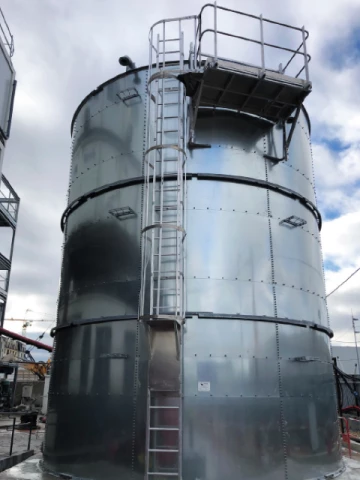
Reverse Osmosis and Demineralised Water Storage


- Tanks designed for ultra-pure water applications using chemically inert and corrosion-resistant materials
- Available in a wide range of material configurations: stainless steel, glass-fused-to-steel, epoxy-coated steel, aluminum, or galvanised steel
- Watertight integrity ensured through membranes or gasketed sealing systems, as required
- Capacities from 5 to 10,000 m³, suitable for ground-mounted installations or elevated water towers
- Quick assembly without welding or work at height, with minimal maintenance required
Demineralised water contains virtually no dissolved minerals, is slightly acidic due to dissolved CO₂ forming carbonic acid. This can cause leaching of certain construction materials when in contact with non-inert surfaces. Concrete is particularly vulnerable, as it may undergo acid attack and calcium leaching, potentially contaminating the stored water.
Only chemically inert materials are suitable for storing demineralised water.
Our Solutions for Reverse Osmosis and Demineralised Water Storage
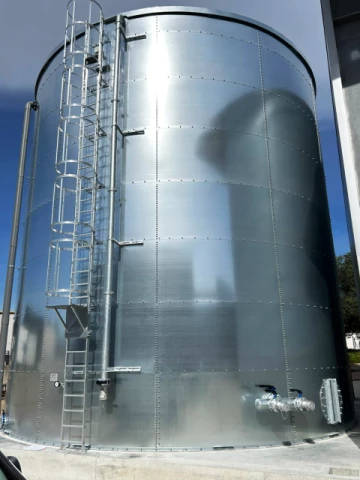
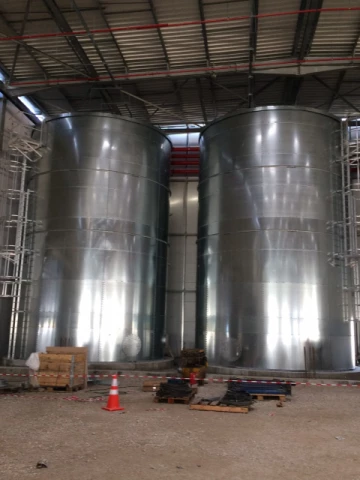
Galvanised Steel Tank with a PVC Liner
This tank combines the robustness of galvanised steel with an internal PVC liner, preventing direct contact between demineralised water and the steel structure. It offers excellent durability and is suitable for a wide range of industrial installations.
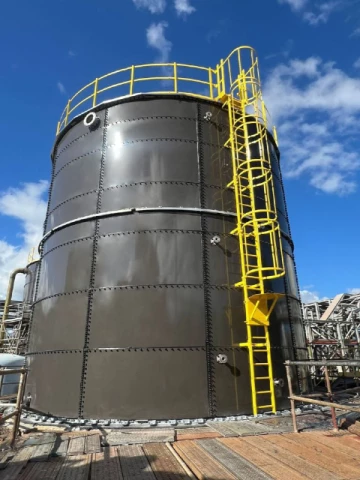
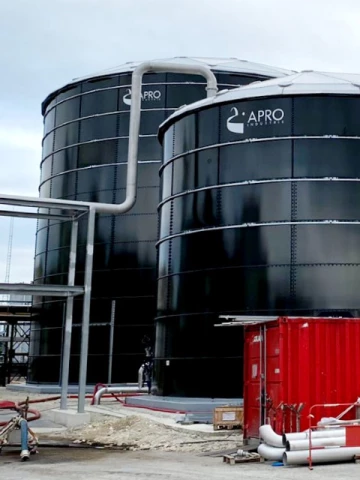
Epoxy-Coated Steel Tank with Mastic Sealant Joints
Coated with high-performance epoxy coating, this tank provides effective protection against corrosion and material degradation. The mastic seal ensures complete watertightness, minimising the risk of contamination, and is ideal for sensitive sites.
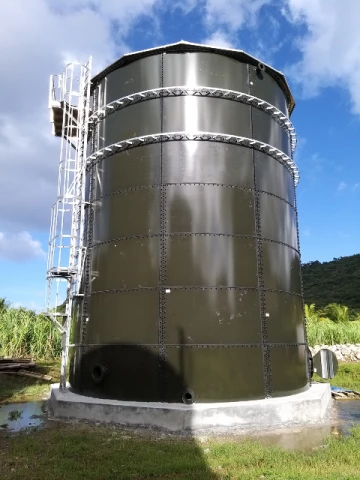
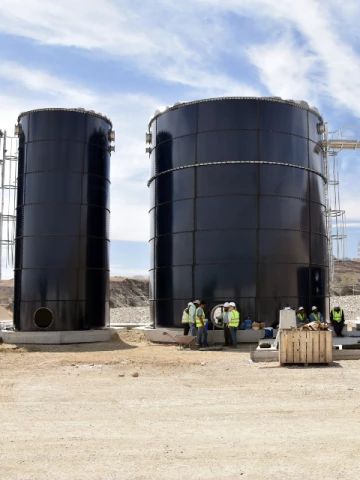
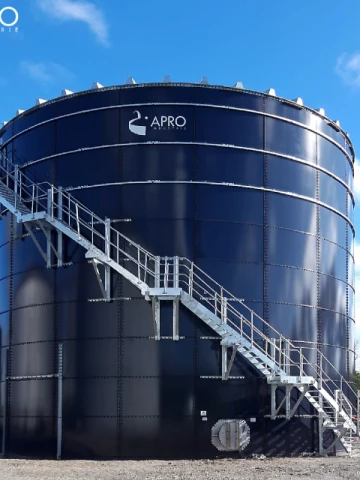
Glass-Fused-to-Steel Tank with Mastic Sealant Joints
The glass-fused-to-steel tank provides complete chemical inertness with demineralised water. This type of tank is often combined with a glass-fused-to-steel base, protecting the concrete base from the acidic effects of ultra-pure water.
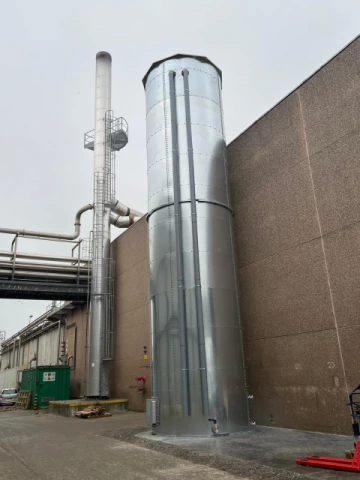
Stainless Steel Tank
Known for its exceptional corrosion resistance, stainless steel allows long-term storage without compromising water quality. Available with a PVC liner or mastic sealant joints, depending on project requirements.
Technical Features of Our Solutions
Our tanks for reverse osmosis and demineralised water are available in capacities from 5 m³ to 10,000 m³, suitable for projects worldwide. They allow quick, weld-free assembly with minimal on-site work, with minimal maintenance. They are modular, transported in standard shipping containers, and can also be installed as elevated water towers.
Do you have a project?
Planning a reverse osmosis or demineralised water storage project? Contact our team for personalised advice!
Projects Related to Reverse Osmosis and Demineralised Water Storage
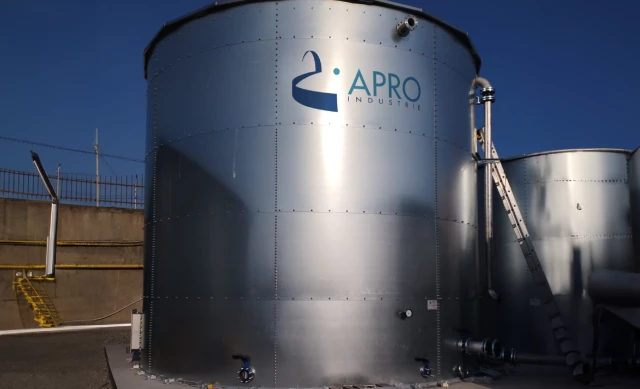
FAQs - Storage of Reverse Osmosis and Demineralised Water
Reverse osmosis or demineralised water requires specific conditions to be stored without alteration. Here are the answers to the main questions our industrial clients have regarding our storage solutions.
What is the maximum capacity of reverse osmosis and demineralised water storage tanks?
APRO Industrie offers tanks ranging from 5m³ to 10,000 m³. This wide range allows each installation to be tailored to site requirements, whether it is a small production unit or a large-scale complex.
How are reverse osmosis and demineralised water storage tanks maintained?
Our tanks require very little maintenance thanks to inert materials and a design without resin coatings. Protected steel floor systems prevent the degradation of concrete bases, thereby reducing maintenance requirements.
What are the optimal conditions for storing reverse osmosis and demineralised water?
To ensure consistent water quality, tanks must be constructed with inert, leach-resistant materials. It is essential to protect concrete bases and maintain complete watertightness using appropriate membranes or seals.
Other Applications of APRO Industrie Tanks
Discover the various applications of APRO Industrie tanks.